Acrylic
Acrylic With a Thickness Log
Acrylic coats with readings logged by roof section, for easy maintenance coats later.
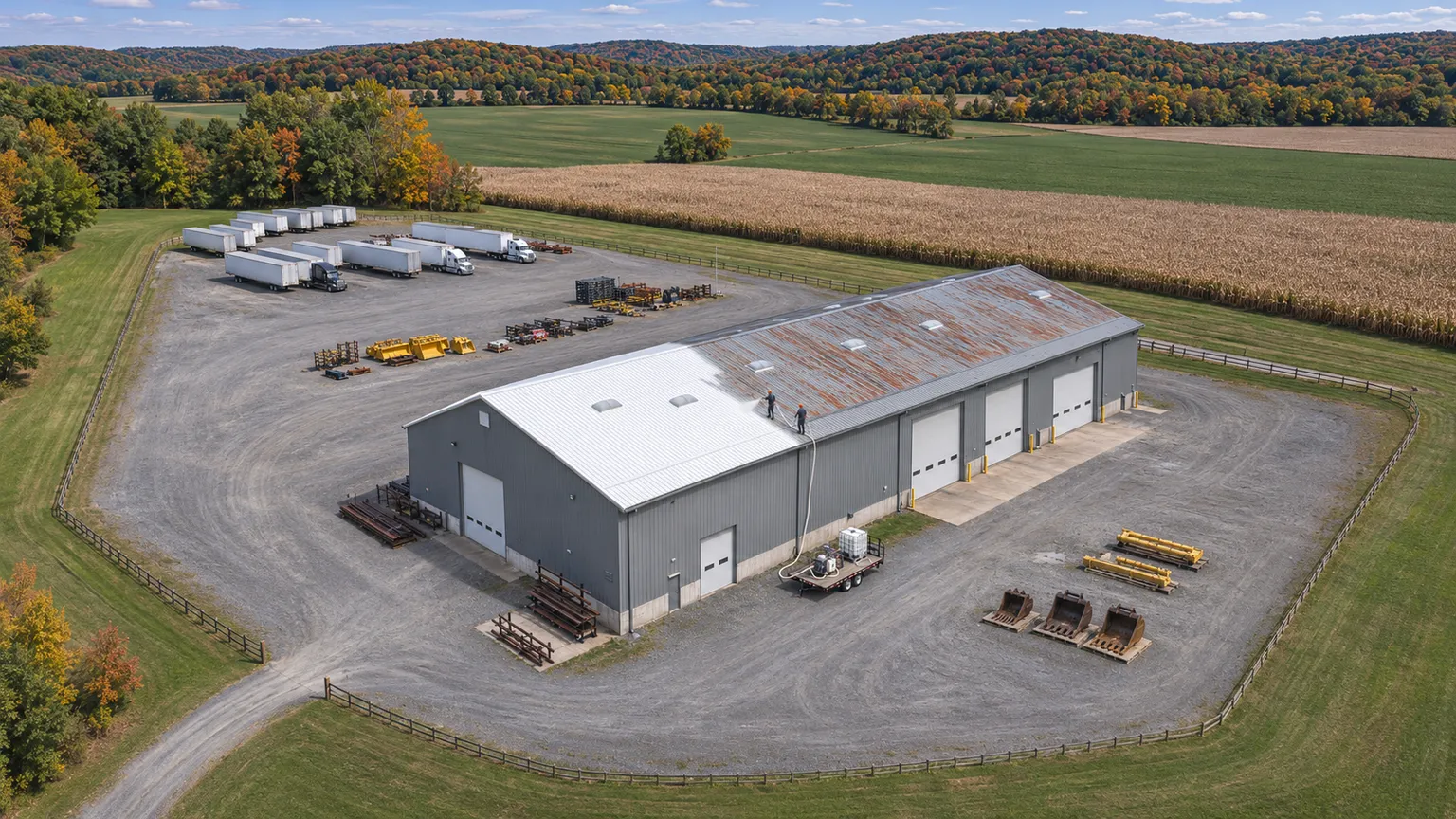
As a Steelton metal roof coating contractor, we photograph and record every panel repair before coating, so later inspections can tell new problems from old ones.
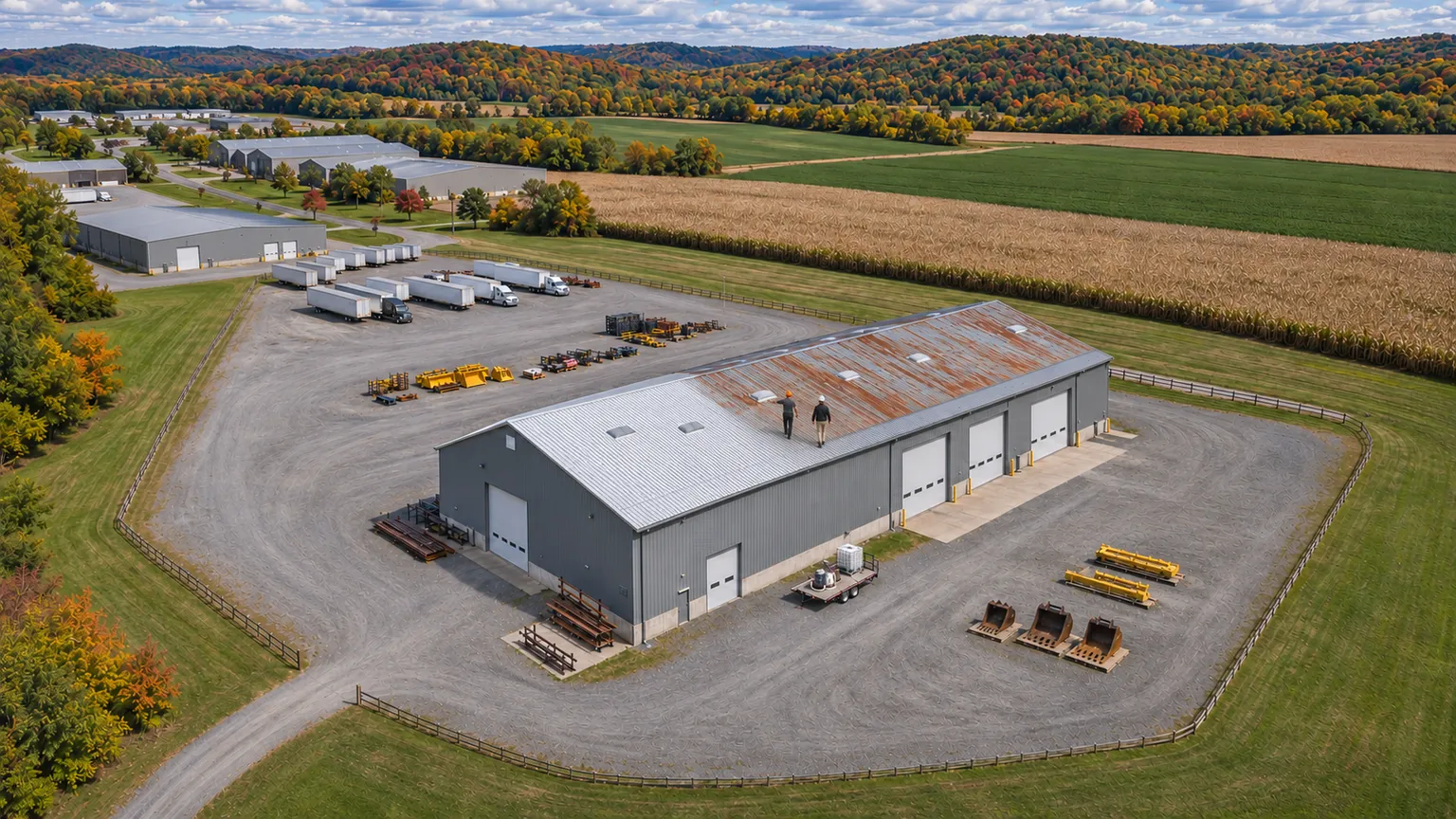
Steelton metal roof coating covers steel you used to be able to see. That is why we document conditions before the first coat: panel repairs, replaced screws, primed rust, and reinforced laps, each photographed and located. Later inspections compare against that record.
When a facility manager changes or a leak shows up years later, the photos show what was repaired, where the primer went, and which laps carry fabric, so nobody has to guess what sits under the coating.
After coating, these are the signs worth recording and reporting.
Edges that lift at gutters or curbs get photographed and compared with the original record before repair. Most get resealed and recoated in a small patch.
Brown bleed through the coating points to rust below a spot that was missed or came back. We open it, clean it, and recoat. Bleed spots get matched to the record first.
Water back at a spot repaired before coating means the cause was never fully fixed. Call so we can trace it with the repair notes in hand. The record shows exactly what was done there.
Fine cracks over seams show joint movement. Recording their length each visit tells us whether they are growing. Steady cracks get reinforced and recoated.
Paths to rooftop units wear thin first. Marking them on the record shows when a maintenance coat is due. A walk pad can slow the wear afterward.
Repair photos and thickness readings go to you, so a new facility manager knows what sits under the coating.
Comparing against the record lets inspections focus on change instead of starting over at each visit.
Tracking wear paths and thin spots shows when the next coat should go on.
Photos of primed rust spots show exactly where treatment happened, so new stains can be checked against them.
Coating with good records gives Steelton owners a few practical benefits.
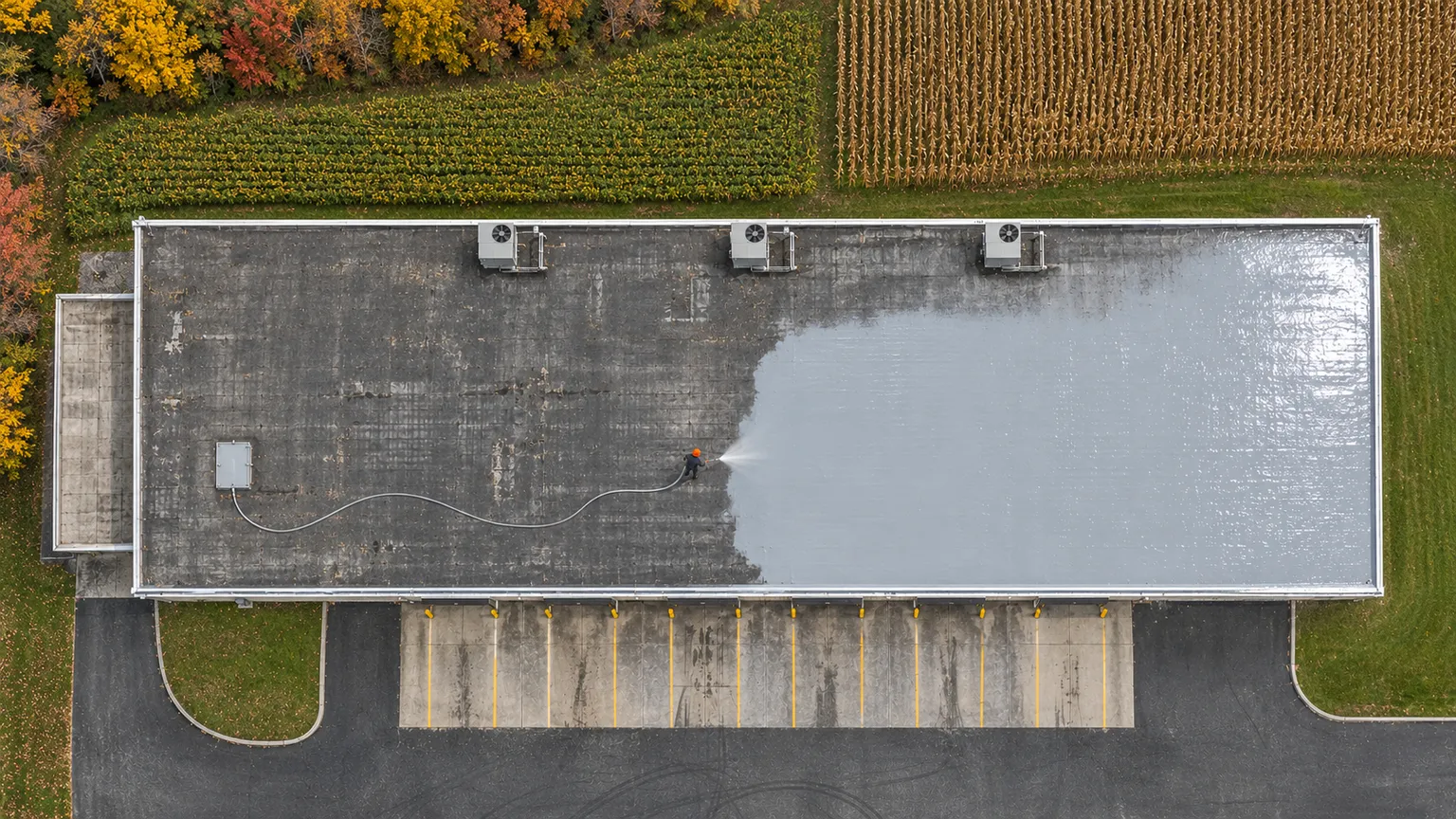
Coating systems we pair with a record-keeping plan in Steelton.
Acrylic coats with readings logged by roof section, for easy maintenance coats later.
Silicone on flat or slow-draining sections, with ponding areas noted for each inspection.
Each reinforced lap and replaced panel is marked in the record so later cracks can be traced.
Large roofs are split into named sections so every repair, reading, and later finding has a place in the log.
A repeat leak needs its cause found. Call and we will compare the spot against the repair record.
Documentation runs alongside every step of the coating work.
Each panel area, lap, and penetration gets checked, and conditions are photographed before anything changes. Photos are labeled by roof section.
Replaced panels, new screws, and primed rust spots are photographed and located as the work happens. Each change goes into the record during that visit.
Washing clears the roof, and primer goes over rust and bare steel where the system calls for it. Primer spots are photographed before coating covers them.
Coats go on at the listed thickness, with readings logged by section. Low readings get extra material right away.
You get the record, and we set an inspection schedule focused on changes, adhesion, and recurring leaks. The schedule focuses on the areas marked to watch.
Coating work continues in these towns. Not on the list? Call us or send us a message.
Equipment shops with replacement panels and mixed finishes.
Food processors with grease and steam around vents.
Long-run roofs where laps open in cold weather.
Farm buildings with moisture rust from the inside.
Answers for commercial and industrial owners.
Coating runs about $2.50 to $4.00 per square foot of roof, and replacement about $5 to $8. Panel repairs, rust treatment, and seam work set where a Steelton roof lands inside the coating range; the documentation itself comes with the job.
Photos and notes are part of how we work on every Steelton roof, so they come with the job. Very large roofs split into many sections take longer to document, and that time shows up in the inspection and prep line.
Yes, through the details that stay visible and the record from before coating. We inspect edges, laps, penetrations, and adhesion, compare them with the original photos, and investigate any leak that returns at a known repair.
We coat industrial and commercial roofs in Steelton. Larger roofs are inspected and documented in sections, so the repair record stays clear even across a big building.
Photos of each repair before coating, the location of replaced panels and screws, primed rust spots, reinforced laps, and thickness readings by section. You keep a copy, and we bring it to every inspection.
Large roofs often are. Each section gets inspected, repaired, documented, and coated before the crew moves on, and the record keeps every section’s repairs and readings separate.
For roofs where future inspections and maintenance coats matter most, acrylic is simple to recoat after cleaning. Silicone fits low areas that hold water, though later coats must also be silicone.
We set the schedule with you based on traffic, drainage, and what the first inspections show. Roofs with heavy foot traffic to rooftop units or slow drainage get checked more often than quiet roofs.
Two-color systems help: a base coat in one color under a topcoat in another lets thin spots show as the top wears. We use that approach on traffic paths and around rooftop units where wear starts.
Get a planning range from your roof size, or call to start a documented inspection.